Taxonomy

The forms

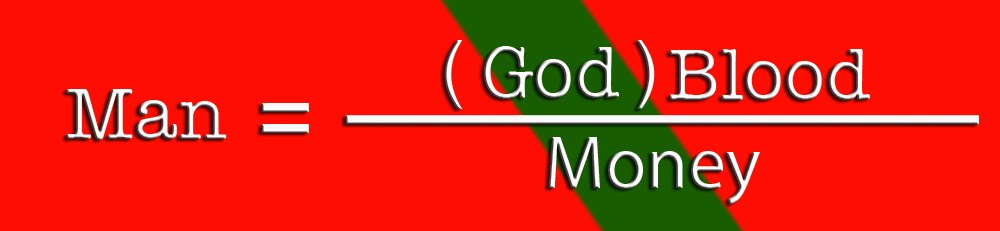
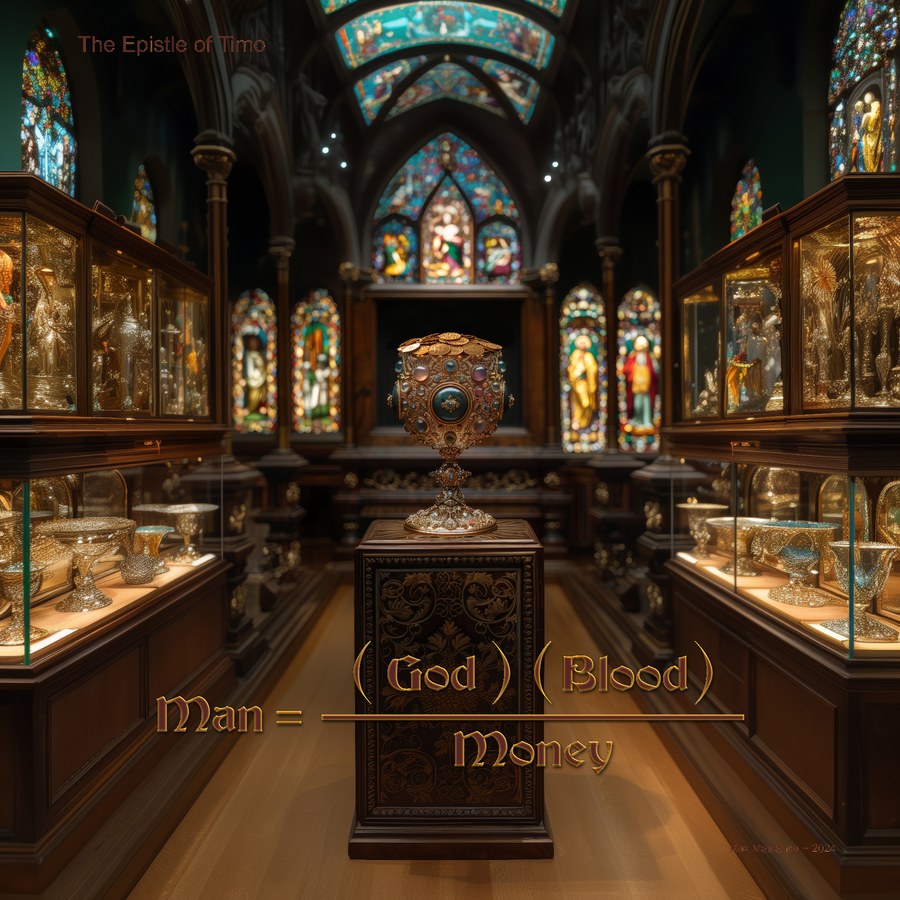
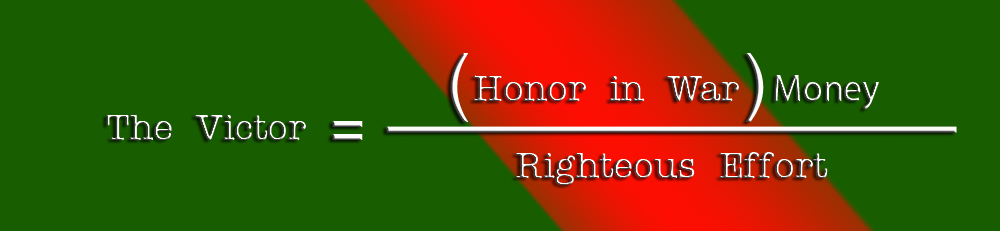
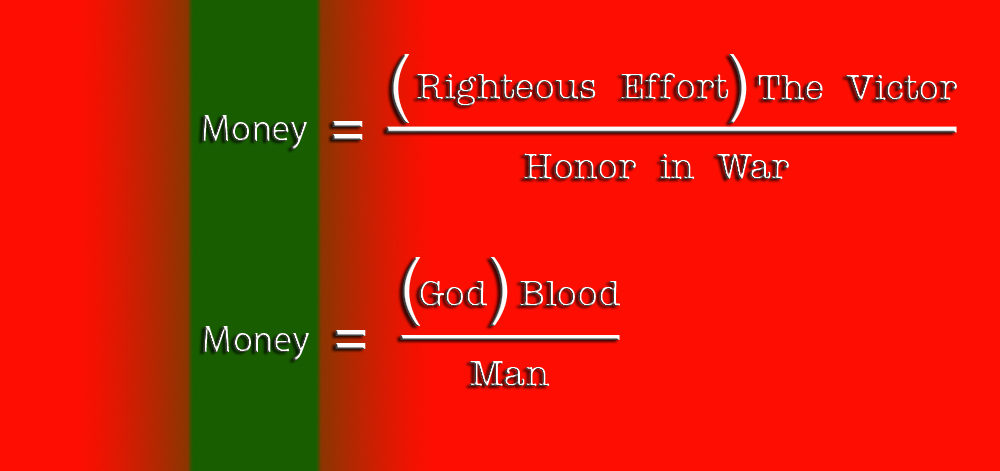
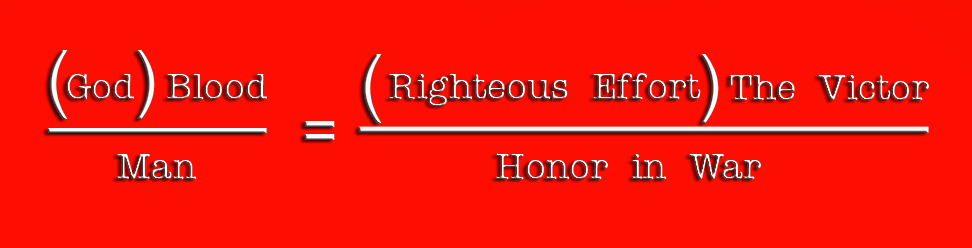
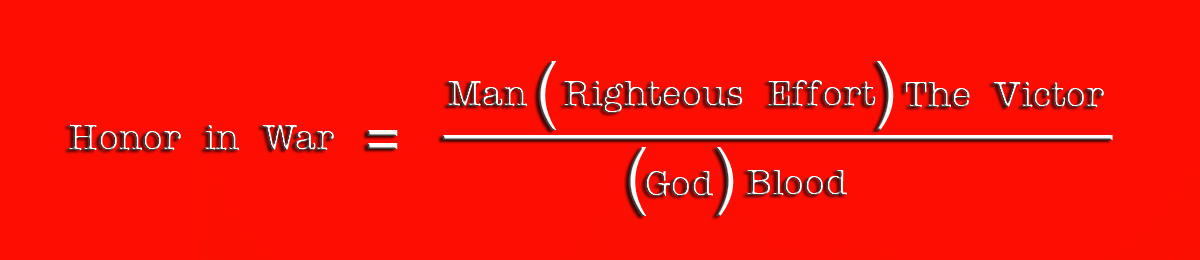
An equation is a sentence with a grammar. Change what the variables hold and the grammar goes on working — the relations stay rigid while the words inside them turn metaphorical. These are the structures I built to do that.

Each one below is a form I invented or named: what it looks like, how to read it aloud, and a poem of mine that runs on it.

Seven structures

  1. The Similar Triangles Poem
  2. The Expanded Similar Triangles Poem
  3. The Orthogonal Space Poem
  4. The Paradigm Poem
  5. The Double Derivative Poem
  6. Substitution
  7. The Axiomatic Poem

One

The Similar Triangles Poem

Also called the proportional poem. Two similar triangles hold four terms in a fixed relation. Nothing in that relation requires the terms to be numbers, so four concepts will sit in it just as well — and the moment they do, the geometry starts making claims about them.

Structure a / b = c / d   →   a = bc / d

“a is to b as c is to d.”

The form can be solved for any of its four terms, and each solution is a different poem saying the same thing from a different vantage. That is the pleasure of it: the meaning does not sit in one arrangement, it survives all of them.

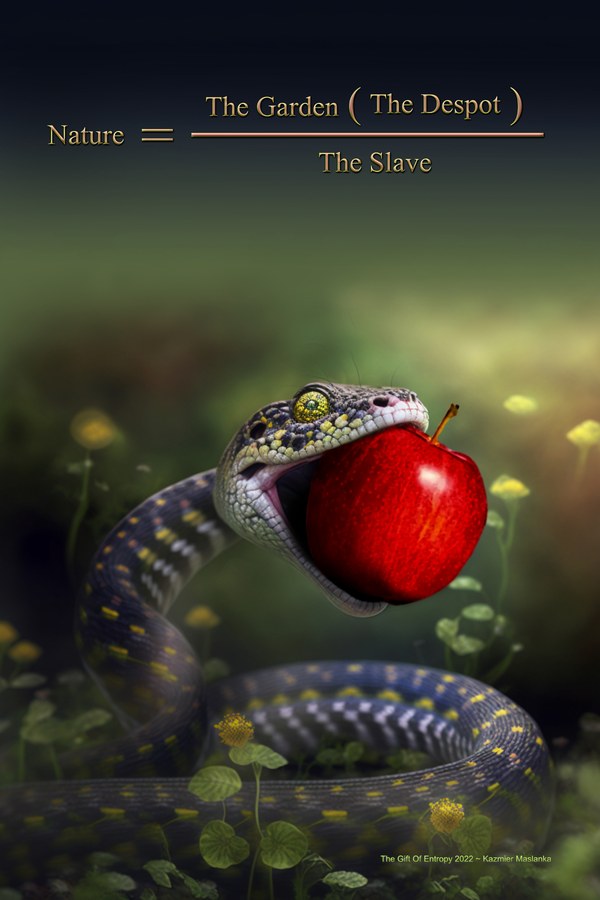
The Gift of Entropy — a snake holding a red apple, beneath the equation Nature equals The Garden times The Despot over The Slave
The Gift of Entropy, 2022 — Nature is to The Garden as The Despot is to The Slave, solved for Nature.

Similar triangles poems

Two

The Expanded Similar Triangles Poem

The similar triangles poem pushed past two ratios. Three similar triangles give six terms and three equal ratios — and with more ratios in hand, a new operation becomes available.

Structure a / b = c / d = e / f

Take any two of the ratios and add or subtract their numerators together with their matching denominators. The result still holds the proportion. Each choice of pair and operation is a different flavour of the poem, and each flavour can then be solved for any of its terms.

One flavour (a − c) / (b − d) = e / f

What the expansion buys is a poem about differences rather than quantities — the gap between two terms standing in fixed ratio to a third.

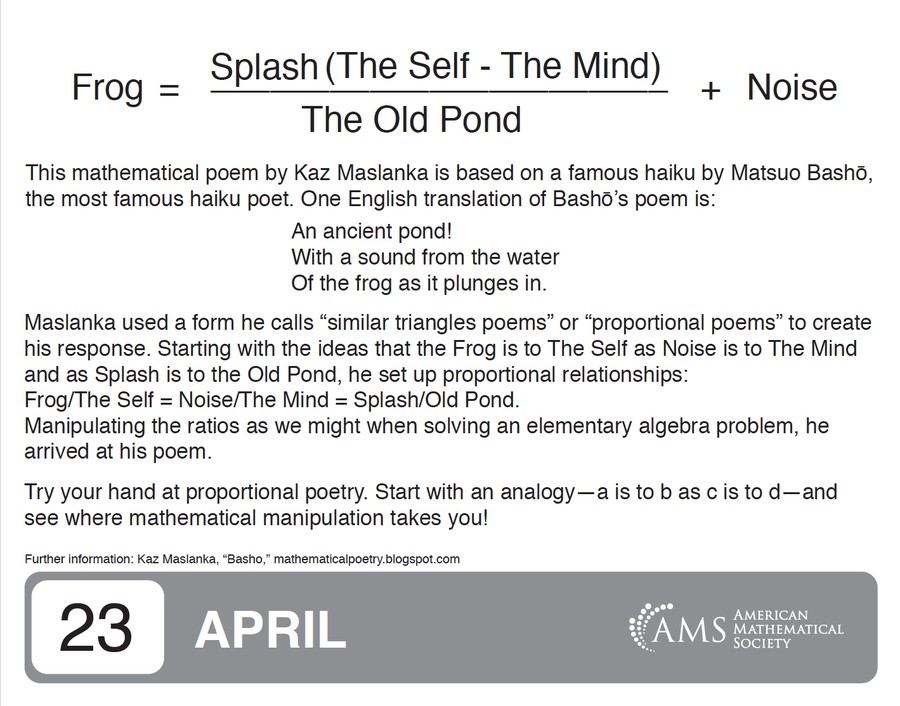
Bashō as it ran in the American Mathematical Society Page a Day Calendar
Bashō, 2009 — Frog is to The Self as Noise is to The Mind as Splash is to the Old Pond. Subtract the first two ratios, solve for Frog.

Expanded similar triangles poems

Three

The Orthogonal Space Poem

Three concepts on perpendicular axes: two multiplied to yield the third. I usually display it solved for one of the factors, because that arrangement lets you push the denominator toward nothing and watch the value climb without bound.

Structure a = (b)(c)   →   b = a / c

Multiplication matters here, and it is not interchangeable with addition. Add two concepts and they stay separable — you can still see the seam. Multiply them and they integrate, and what comes out has a magnitude neither had alone.

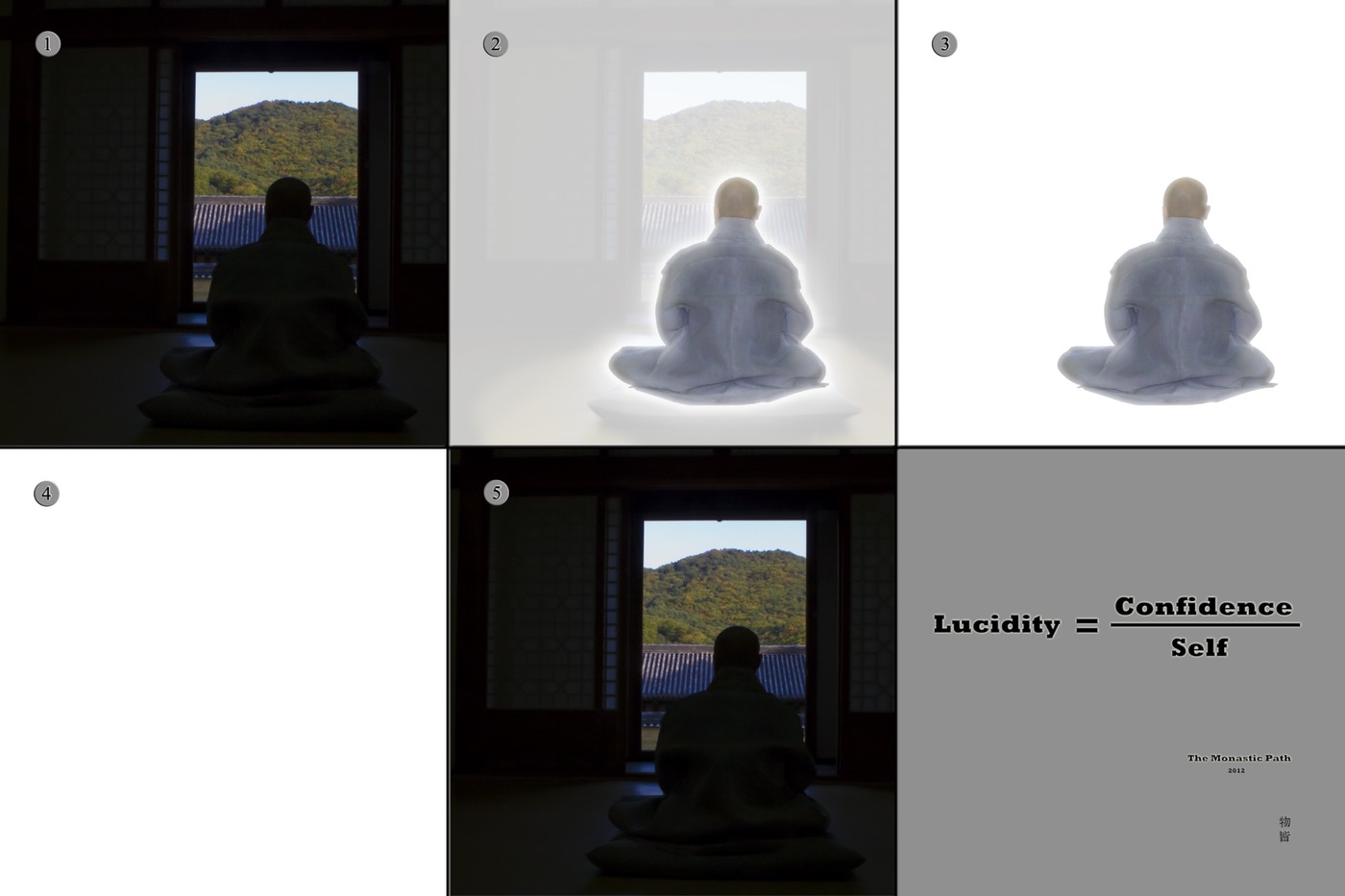
The Monastic Path — five stages of enlightenment above the poem Lucidity equals Confidence divided by Ego
The Monastic Path, 2012 — Lucidity = Confidence / Ego. Hold confidence steady, let ego approach zero, and lucidity increases without bound.

Twelve of these arranged contiguously in one Cartesian system make what I call a Dodecaorthogonal Space Poem, which is the structure of A Spectrum of Jewels.

Orthogonal space poems

Four

The Paradigm Poem

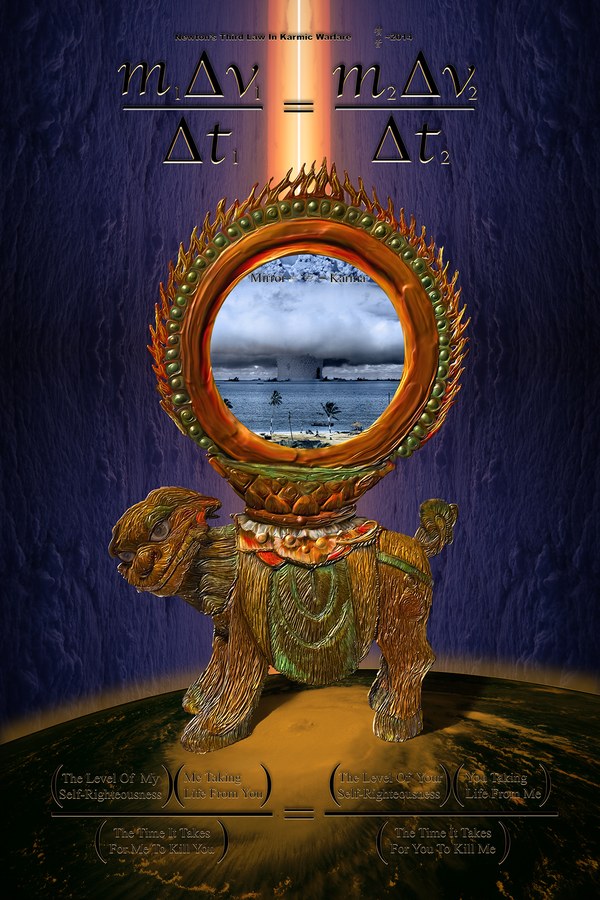
Rather than an empty structure, an entire existing model — a law of motion, a physical relationship — is borrowed intact and used as the vehicle. The model arrives carrying its own semantics, and every relation inside it stays binding once the words go in.

Structure any established model, with concepts substituted for its variables

In the language of embodied cognitive linguistics, the borrowed model is the source domain and the words placed in its variables are the target domain. The concrete maps onto the abstract, and it is that mapping — not the arithmetic — that does the poetic work.

Newton's Third Law in Karmic Warfare — a Korean karma mirror carried on the back of a lion, holding the Bikini Atoll test in its glass
Newton’s Third Law in Karmic Warfare, 2014 — Newton’s third law borrowed whole, and karma poured into it.

The first one I made was Psychronometrics in 1983, which borrows Einstein’s time dilation to describe why a summer was longer when you were four.

Paradigm poems

Five

The Double Derivative Poem

A derivative is the rate at which one thing changes as measured by the change in another. This form addresses the first and second derivatives of a phantom function — a function you are meant to feel your way into rather than plot on a coordinate system.

Structure a is to its first derivative as its first derivative is to its second

The idea came out of physics. Position, velocity and acceleration stand in exactly that relation — velocity is the first derivative of position, acceleration the second — and position is to velocity as velocity is to acceleration. Which is the similar triangles structure already, arriving from a different direction.

“a is to the rate a changes as the rate a changes is to the rate that rate changes.”

Six

Substitution

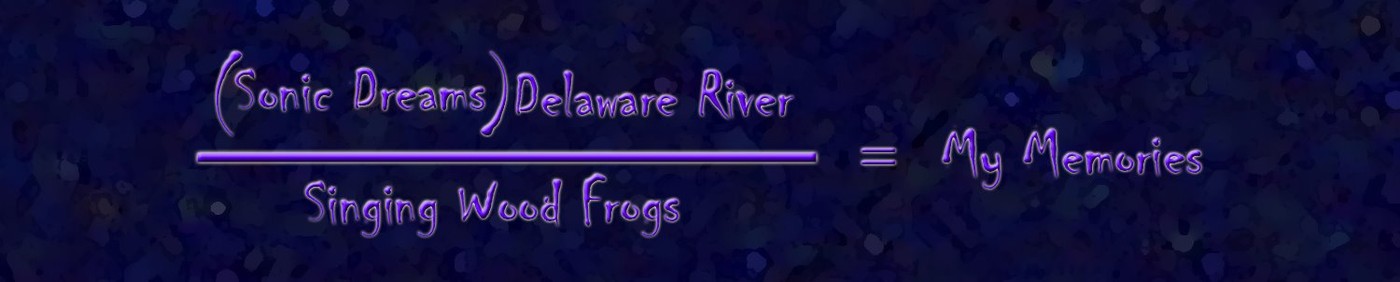
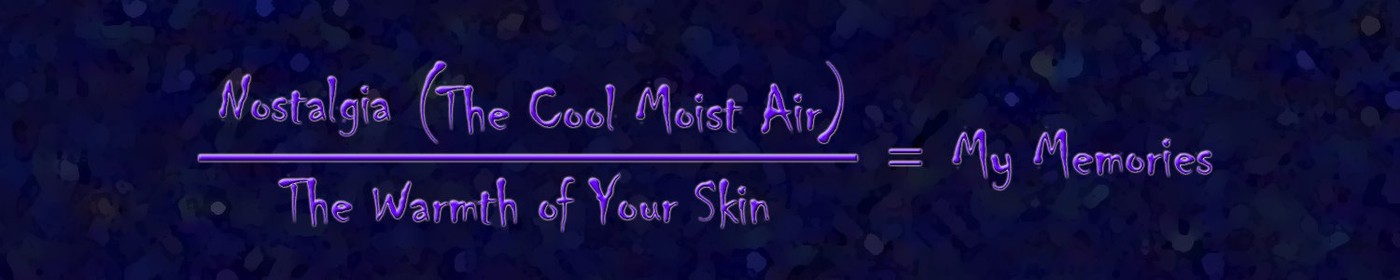
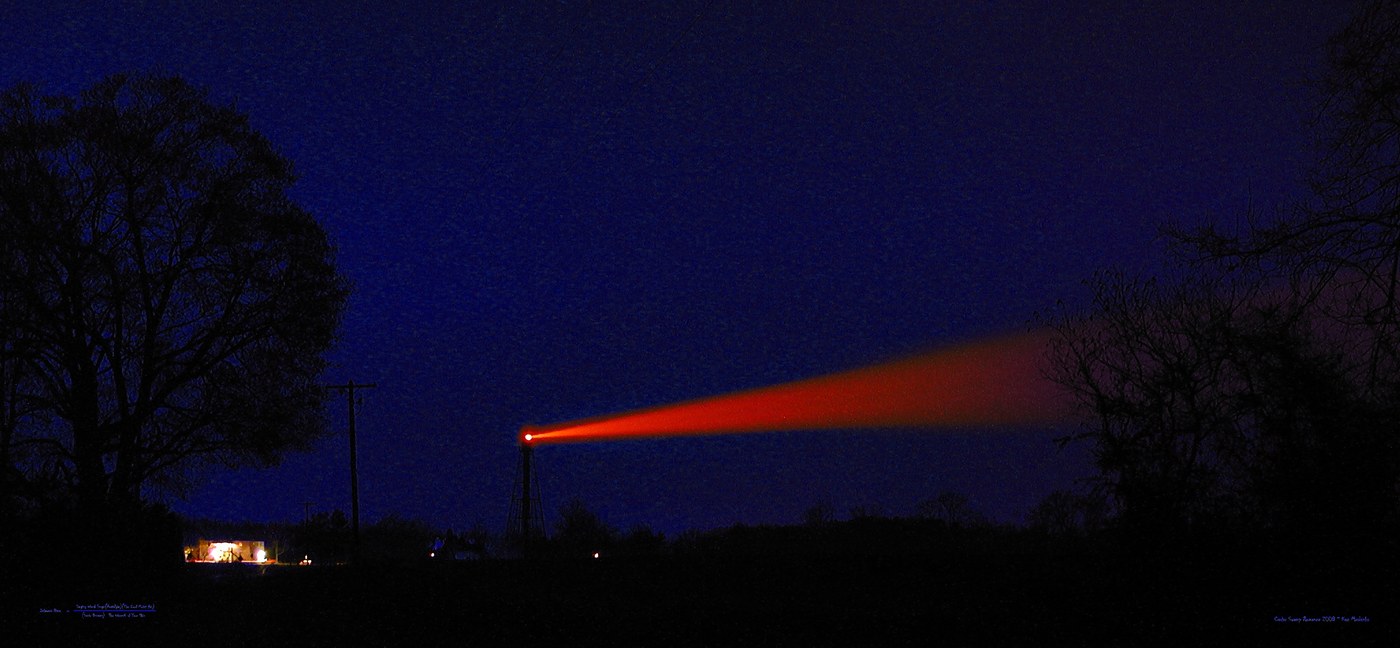
Two finished poems that share a term can be joined. Solve both for the term they have in common, set them equal to one another, and a third poem falls out — one neither of the originals contained.

Structure a = bd / e  and  a = hj / u   →   bd / e = hj / u

The new equation can then be solved for any variable in it, so a single shared word can open a whole family of poems. When the two source poems come from two different poets, the result is a collaborative substitution poem — a genuine collaboration, since neither author can predict what the join will say.

Cedar Swamp Romance — Delaware River equals Singing Wood Frogs times Nostalgia times The Cool Moist Air, over Sonic Dreams times The Warmth of Your Skin
Cedar Swamp Romance, 2005 — the product of two poems that shared the term my memories.

Substitution poems

Seven

The Axiomatic Poem

Not an equation but an axiom set. Take a formal system, substitute concepts for its primitive terms, and let the axioms carry the metaphor by force of their own logic. Nothing is asserted directly; everything follows.

Structure a set of axioms, with concepts substituted for its primitives

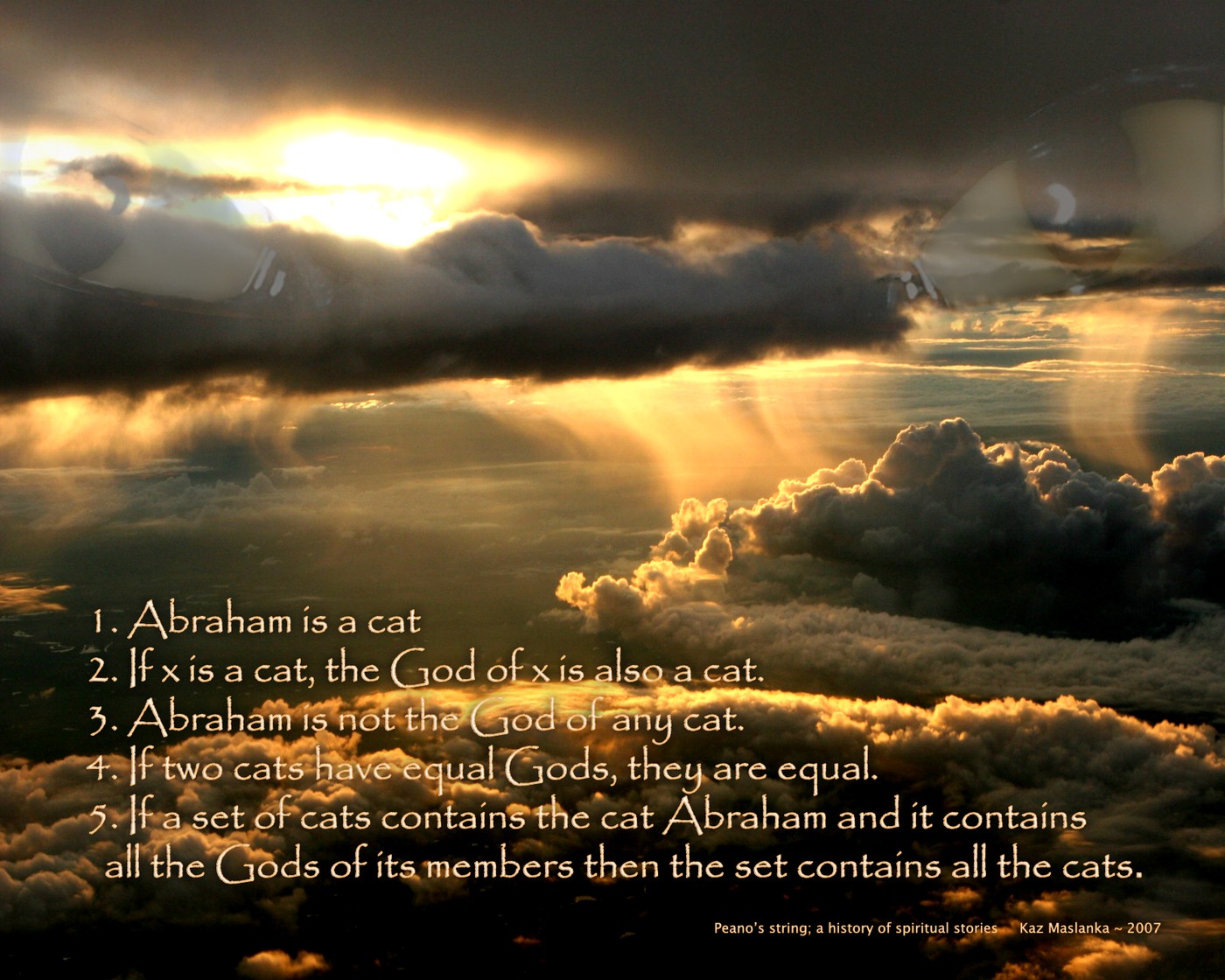
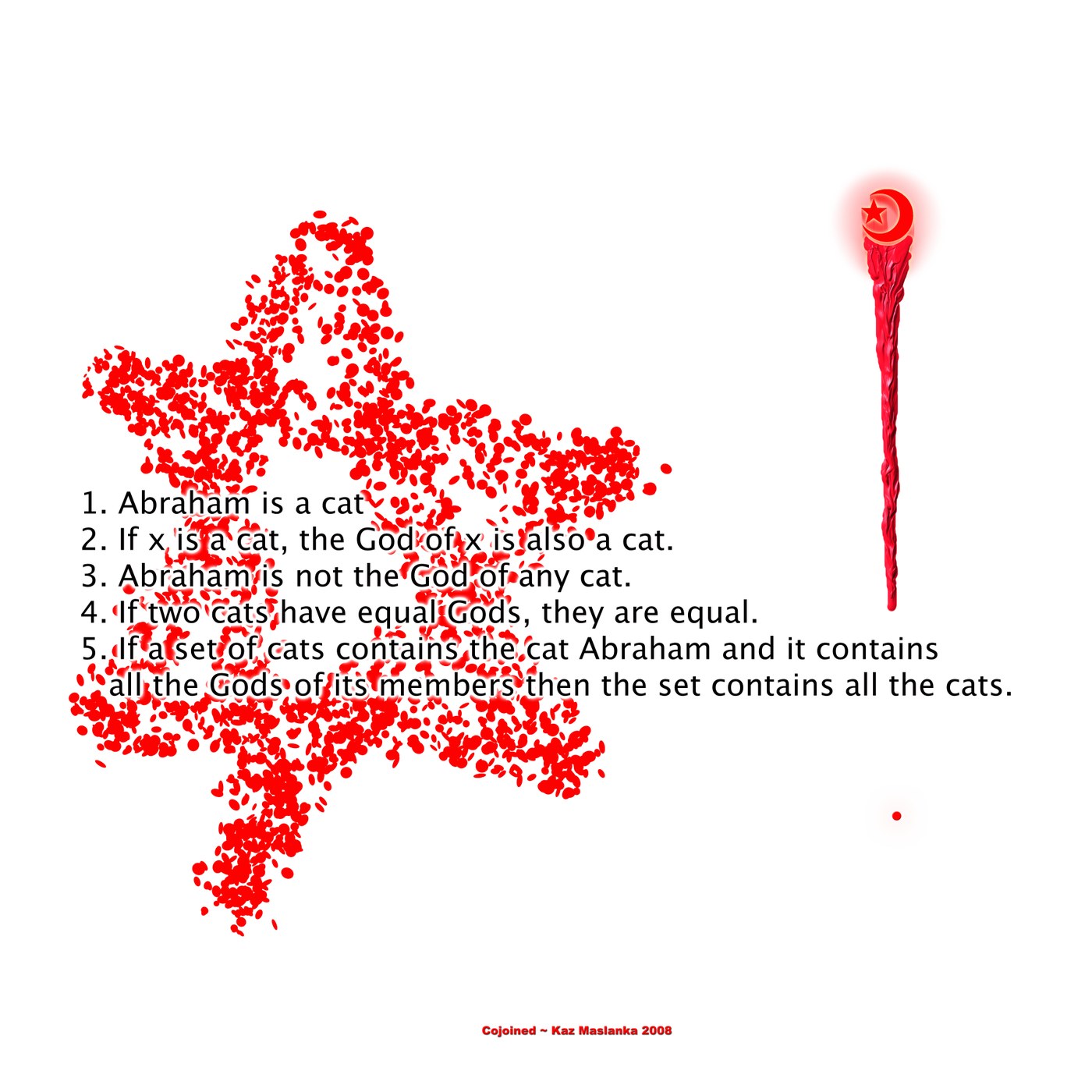
In Peano’s String the system is Peano’s axioms for the natural numbers. Where Peano writes number, I write cat; where he writes successor, I write the God of; where he writes zero, I write Abraham. The axioms are otherwise untouched.

  1. Abraham is a cat.
  2. If x is a cat, the God of x is also a cat.
  3. Abraham is not the God of any cat.
  4. If two cats have equal Gods, they are equal.
  5. If a set of cats contains the cat Abraham and it contains all the Gods of its members, then the set contains all the cats.

The fifth is induction. Read the five together and a theology assembles itself out of arithmetic — an endless succession of gods, each the god of the last, none of them first.

Peano's String — five axioms in gold lettering over a sunset photographed above the clouds
Peano’s String; a history of spiritual stories, 2007.

Axiomatic poems

Forms of mine are not the whole field. Others working in equational poetry have built structures of their own — among them the long division poem, used for years by Bob Grumman, and the place value poem of Gregory Vincent St. Thomasino. The nine pieces in Selected Work run on the forms above.